
Walking past a pub on a Tuesday arvo, you can feel the pull before you even see the pokies. That confidence people carry into a session is often the same feeling that gets them stuck, and it is worth unpacking before anyone signs up. We built the product side of this site the same way we run a wagering build: clear requirements, real stakeholder checks, and a launch that does not overpromise. If you want a measured read on the psychology behind the mistakes, start at https://kendrick-ai.com and see how that thinking holds up under pressure.
Why Overconfidence Flares Up Around the Lobby
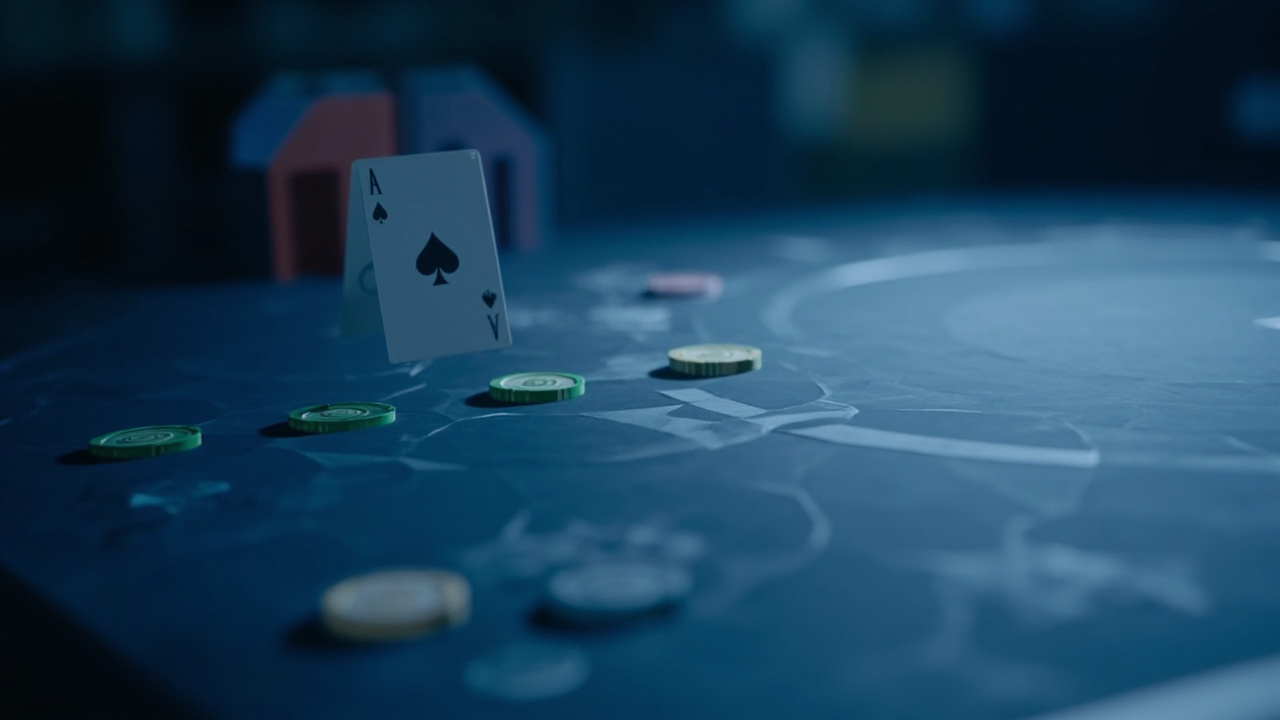
The lobby is where a lot of that swagger starts, and it is not accidental. A tight game mix of pokies, tables, and live dealers gives players the sense they have picked the right room before a single bet lands. When the navigation is clean and the search actually surfaces what you asked for, the whole place feels organised, which quietly feeds the idea that you know where the edge is. In practice, that feeling is just good product design meeting a busy human brain, and it can be as chaotic as the Bunnings sausage sizzle queue at midday on a Saturday when the crowd surges.
The mix matters here. Slots dominate most Australian rooms, and a strong provider line-up keeps the feed moving, but the real trap is discovery. When a player can filter by volatility, theme, or live table limits without hunting, they tend to assume they have found a soft spot. They have not. They have found a lobby that does its job. That is the trade-off: a polished discovery layer makes play feel controlled, and control is the fastest route to overconfidence.
The Psychology Behind the Mistake
Overconfidence in gambling is not just bravado; it is a pattern that shows up in how people read wins, losses, and near misses. The room is built to keep sessions flowing, and the brain fills in the gaps with a story about skill or timing. That story gets louder after a couple of good spins, and it gets quieter only when the pace breaks.
Hot hands and the memory of wins
Players remember the session that paid out and forget the three before it. A short run of luck gets filed as evidence, not as noise, so the next deposit feels justified rather than guessed. The lobby reinforces this when recent activity sits front and centre, because it keeps the winning memory warm while the losing ones fade into the background. How to Stop Gambling and Rebuild
Near misses and the urge to keep going
A near miss on a pokies payline feels like a hint, even though it is just another outcome. That almost-was feeling is sticky, and it pushes people to press again instead of walking away. When the game feed keeps showing close calls, the urge to stay seated grows, and the room’s pace works directly against a clean stop. https://kendrick-ai.com
The illusion of control at the tables
Live dealers and table limits can make a hand feel like a decision with weight, especially when the interface is crisp and the action is clear. A player starts to think they are reading the room rather than reading a fixed set of odds. That is where the confidence turns expensive, because the table looks interactive while the maths stays quiet.
| Trap | What it feels like | What it actually is |
|---|---|---|
| Hot hand memory | A winning session proves I am on a roll | A short run that the brain overweights |
| Near miss pull | So close, I should try again | Another outcome with no hidden signal |
| Table control | I can read this live hand | Fixed odds dressed up as interaction |
Who This Fits and Who Should Walk On
This is the kind of room that suits a player who wants a tidy lobby, a sensible game mix, and enough structure to know what they are looking at. If you like clear search, a mix of pokies and live tables, and a feed that does not wobble on mobile, the product side sits up straight. The limits, the providers, and the registration flow all stay consistent, which helps if you are the sort of person who wants the room to behave the same way at 2am as it does at 2pm.
The fit drops off fast for anyone chasing a feeling of control. If you are reading a near miss as a signal, or if a short win streak is already rewriting your plan, the lobby will not save you from yourself. That is when the product stops being a room and starts being a mirror, and the honest move is to step back before the session gets expensive. If you need a concrete path out, read how to stop gambling and rebuild a safer routine, because the exit is often cleaner than the entry.
The licence, the payments, and the support all stay within the same Australian frame, with no offshore licence pretending to run the show. Registration is straightforward, the mobile feed is built to load without fuss, and the loyalty mechanics are there for regular play rather than as a lure to chase losses. That is the trade-off in plain terms: a room that works well for a steady session can still feed the wrong kind of confidence, and the only real defence is knowing which version of you is sitting at the screen.

Nuts for the best hand has disputed but colourful origins, and the phrase survives because people love a story that makes the game feel deeper than it is. That same love of a good story is what keeps overconfidence alive in the lobby, long after the maths have done their work.